New purpose.
From invasive plants.
We’re exploring how removed water hyacinth can become useful fiber for manufacturers—connecting an environmental challenge with a new material opportunity.
 NEW PURPOSE FOR INVASIVE PLANTS
Healthier waterways.
A new purpose for what’s removed.
Exploring the connection between invasive plant removal and the materials we use every day.
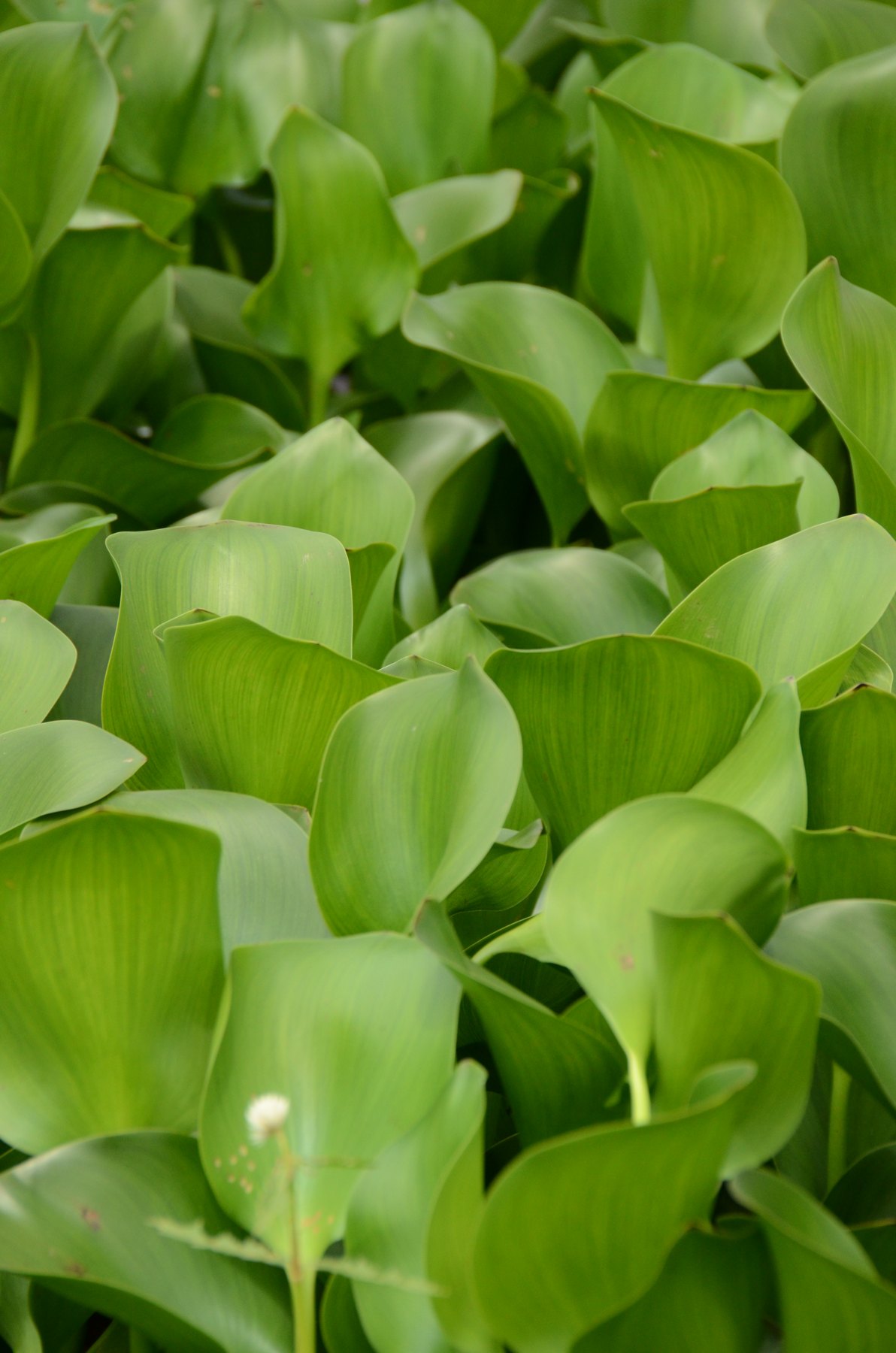
A floating plant.
A growing challenge.
Water hyacinth can form dense mats across the surface of waterways. Where it is invasive, that growth puts pressure on ecosystems and the people who depend on them.
Less light below the surface
Thick plant cover shades native submerged vegetation.
Less oxygen for aquatic life
Dense mats can reduce dissolved oxygen and harm fish habitat.
More barriers on the water
Infestations can obstruct boating, fishing, and access to waterways.
Learn more: Florida Fish and Wildlife Conservation Commission · University of Florida IFAS
Turn invasive plant biomass into useful materials, creating economic value while supporting healthier waterways.
MayFlow begins with a question: once invasive plants are removed, can their fiber become a practical resource for manufacturers?
New purpose.
From the unexpected.
TURNING AN IDEA INTO SOMETHING USEFULExploring value in invasive plants.
MayFlow Materials is exploring whether dried water-hyacinth fiber can partially replace wood fiber or other plant fillers in molded composites.
The intended model is to partner with plant-removal operations and material processors, creating a path from removed biomass to a raw material manufacturers can use.
The next step: obtain suitable samples, find research partners, and test technical performance alongside customer needs.
Start with an environmental problem.
Explore partnerships with operations already removing invasive water hyacinth.
Find out what the material can do.
Investigate processing methods and evaluate fiber performance with research partners.
Build around a real customer need.
Learn which applications could offer manufacturers practical and commercial value.
Progress starts
with the right partners.
- Researchers & testing labsHelp evaluate fiber properties, processing methods, and suitability for molded composites.
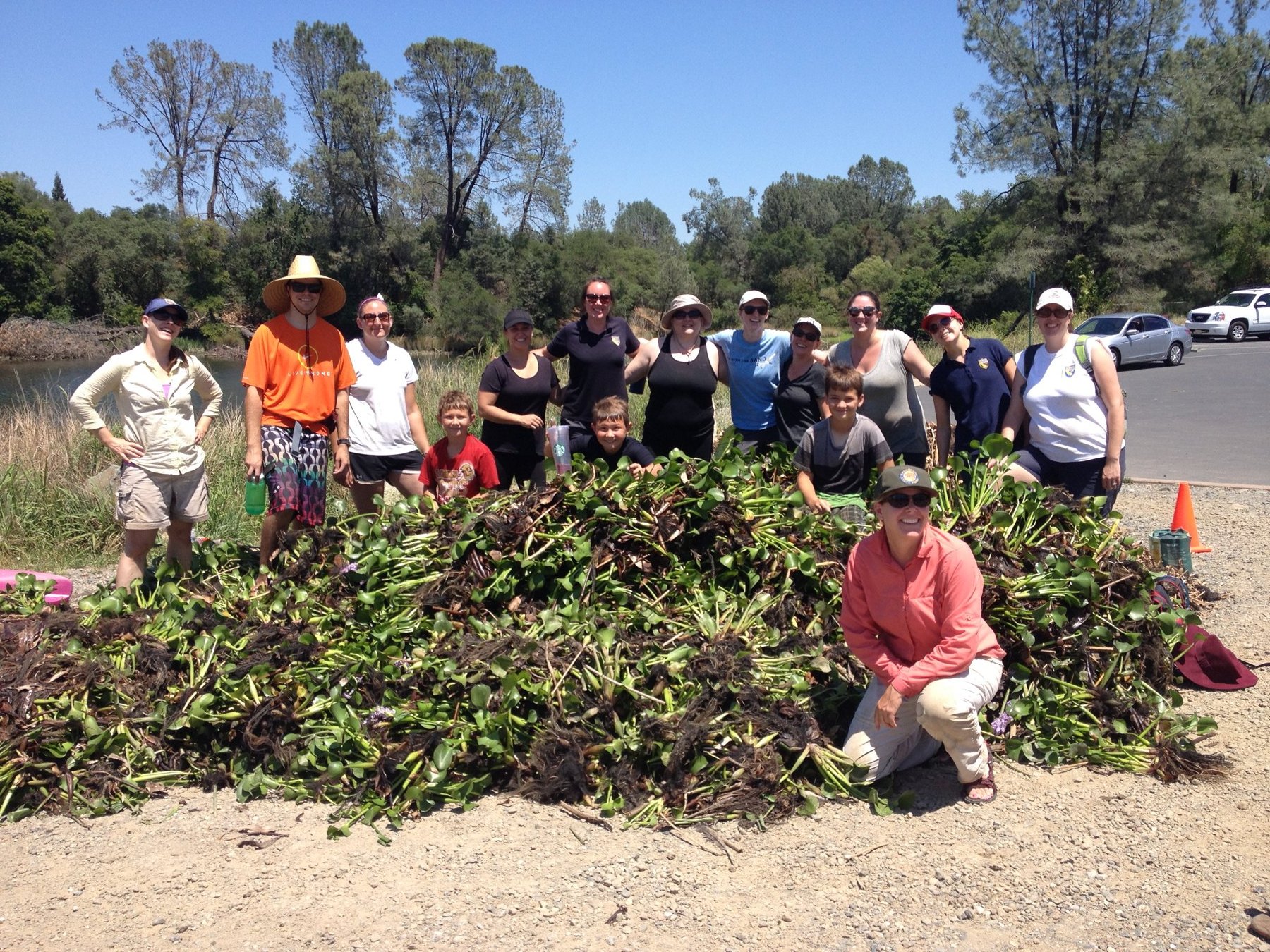
- Plant-removal teamsExplore responsible sample sourcing and what it would take to use removed biomass.
- Manufacturers & processorsShare material specifications, processing requirements, and the problems a new fiber would need to solve.
Where is MayFlow today?
MayFlow is in early-stage research and development. Current priorities are obtaining suitable samples, finding research partners, and understanding manufacturer needs. Material performance, processing costs, and commercial feasibility still need to be evaluated.
What could the fiber be used for?
The initial focus is whether dried water-hyacinth fiber could partially replace wood fiber or another plant filler in molded composites. Any specific application will depend on testing and the manufacturer’s requirements.
Are materials available to buy?
MayFlow is not yet offering a validated commercial material. If you are interested in research, future trials, or sharing material requirements, please contact Johnny.
Johnny Mayhew
I’m Johnny, the founder of MayFlow Materials. I’m from Newport Beach, California, and study entrepreneurship at the University of Rochester. I started MayFlow to explore how an environmental problem could become a useful resource. My focus is on connecting with researchers, removal teams, and manufacturers to find out what water-hyacinth fiber can do—and build a practical business around it.
Good ideas start
with a conversation.
Connect with MayFlow Materials to discuss research, biomass sourcing, processing, or future material trials.